The Room You Won't Touch Is the One That Has the Most to Teach You

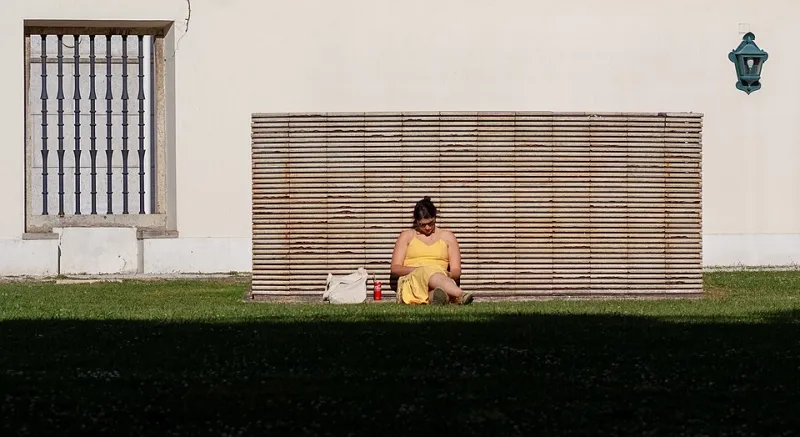
Photo: Wilfredor, CC BY-SA 4.0, via Wikimedia Commons
You've redone the living room. You finally tackled the kitchen backsplash. You even reorganized the bathroom cabinet that had been quietly driving you insane for two years. But there's still that room. The one you walk past, maybe glance at, then keep moving. You tell yourself you'll get to it. You don't.
Here's what I've started to believe: the spaces we avoid redesigning are rarely about the space itself. They're about what changing that space would mean.
The Psychology of the Untouched Room
Interior designers talk a lot about how our homes reflect our inner lives — and honestly, the longer I sit with that idea, the more it makes sense. A room that stays frozen in time isn't just a decorating problem. It's a mirror. And sometimes mirrors are uncomfortable.
Maybe it's the home office that still looks exactly like it did when you were grinding through a job you've since left. Or the guest room that used to belong to a kid who's now in college. Or a corner of your bedroom that still holds furniture you picked out with someone who's no longer in your life. We don't avoid these spaces because we're lazy. We avoid them because changing them requires acknowledging that we've changed — and that the version of life those spaces represent is genuinely over.
That's not a small thing. That's actually a pretty brave thing to sit with.
Why We Cling to Spaces That No Longer Fit
There's a concept in psychology called the "endowment effect" — basically, we overvalue things simply because they belong to us. It applies to objects, sure, but I'd argue it applies just as powerfully to spaces. The room that hasn't changed in five years feels safe precisely because it hasn't changed. It's familiar. It asks nothing of you.
But familiar and comfortable are not the same thing. Familiar can actually be a kind of low-grade tension you've just gotten used to carrying.
Think about the last time you walked into that room and felt genuinely good. Not just neutral — actually good. If you're struggling to remember, that's information worth paying attention to.
What a Small Change Can Actually Unlock
Here's the thing about redesigning a space that's been stuck: you don't have to gut the whole room. You don't need a renovation budget or a weekend free of obligations. Sometimes the shift is one piece of furniture moved to a different wall. A lamp replaced. A shelf cleared of things that belong to a chapter you've closed.
I moved a single chair from one corner of my home office to another last spring — a chair I'd been stepping around for years without thinking about it. It sounds ridiculous, but that one move made the whole room feel like mine again. Like a space I'd chosen rather than inherited from a past version of myself.
That's the real function of intentional redesign. It's not about aesthetics. It's about authorship. It's about saying: I live here now. This version of me lives here.
The Rooms That Belong to the Past
Some spaces are harder than others, and it's worth being honest about that. A child's old bedroom. A home gym that reminds you of a fitness goal you've quietly given up on. A dining room that used to host big family dinners that don't happen anymore.
These rooms carry weight. Changing them can feel like letting go of something — a person, a season, a version of yourself you're still a little attached to. And sometimes that grief is real and worth honoring before you reach for the paint swatches.
But there's a difference between honoring the past and letting it dictate the present. You can keep the memory and still change the room. Those two things can coexist.
A Few Places to Start
If you're ready to finally face the room you've been avoiding, here are some low-stakes entry points:
Clear the surface first. Before you move anything or buy anything, just remove what doesn't belong. Old mail, objects you keep meaning to put away, things that live in that room because they have nowhere else to go. Clearing a surface is the cheapest redesign there is, and it almost always changes the energy of a space immediately.
Ask what you want the room to feel like. Not look like — feel like. Calm? Energized? Creative? Cozy? Let that answer guide every decision that follows, rather than trying to replicate something you saw on Pinterest.
Give yourself permission to do it imperfectly. The room doesn't need to be finished or magazine-ready. It just needs to feel more like you than it does right now. That's enough to start with.
The Shift That Happens After
I've talked to enough people about this — and experienced it enough myself — to believe that redesigning a stuck space genuinely moves something internally. It's not magic. It's just that action and identity are connected. When you change your environment, you send yourself a signal: this is who I am now, and this is how I want to live.
The room you've been avoiding is waiting. Not to be perfect. Just to be yours again.