You Don't Have to Wait for January to Start Over

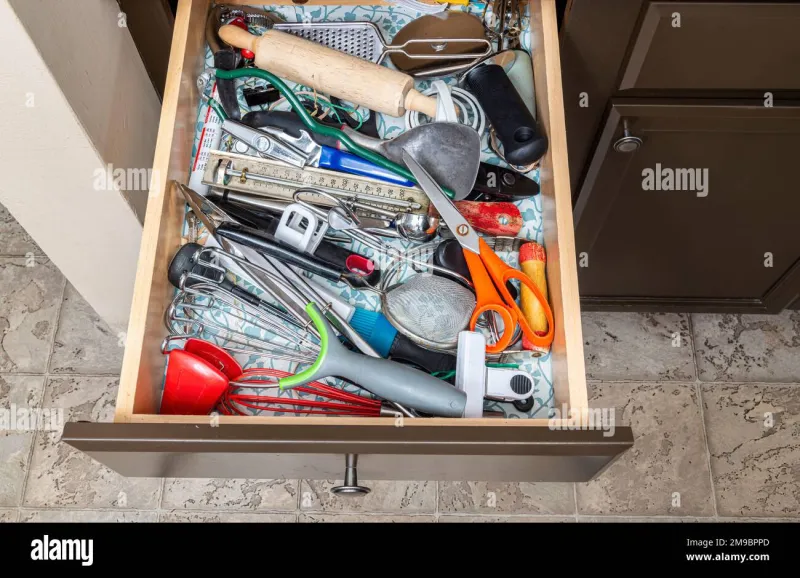
Photo: Jules Verne Times Two, CC BY-SA 4.0, via Wikimedia Commons
Every January, something collective and slightly frantic happens across the country. Gym memberships spike. Planners sell out. Vision board supplies disappear from craft stores. People who haven't cooked since Thanksgiving are suddenly researching meal prep containers and dry January cocktail recipes and the best apps for tracking their water intake.
And then, usually somewhere around the third week of the month, the momentum quietly dissolves. Not because the goals were wrong. Not because the people were lazy or uncommitted. But because January — cold, dark, post-holiday-crash January — is genuinely one of the worst times to launch a reinvention.
The calendar told us it was time. Our actual energy said something completely different.
Here's what I've been thinking about lately: what if we stopped waiting for the culturally approved moments to change, and started paying attention to the moments when we're actually ready?
The Myth of the Annual Reset
The idea that January 1st is when transformation begins is a fairly modern, fairly Western, and fairly arbitrary convention. It works beautifully as a cultural ritual — there's something genuinely meaningful about a collective moment of intention-setting. But when we treat it as the only legitimate window for reinvention, we miss the dozens of natural transition points that happen throughout the year.
We are not actually built for one big reset. We're built for seasons. And seasons don't follow a calendar — they follow conditions.
A season of growth looks like energy arriving unbidden, ideas connecting faster than you can write them down, a readiness to try things you've been circling for months. A season of rest looks like a need for quiet, for consolidation, for staying close to home and familiar things. A season of reinvention looks like the old version of your life starting to feel a little too small — not in a crisis way, but in a steady, unmistakable way.
These seasons happen in March and September and July. They happen after a hard conversation or a meaningful trip or a random Tuesday when something shifts and you just know something is different now.
How to Tell the Difference Between Ready and Restless
This is the question that matters most, and it's worth sitting with honestly: are you actually ready for change, or are you just restless?
Restlessness is real and valid, but it's not the same as readiness. Restlessness says: I'm bored, I'm stuck, I need something to change, anything. It often leads to dramatic gestures — the impulsive haircut, the new gym membership that doesn't stick, the closet purge that leaves you with nothing to wear, the bold career pivot that was really just an escape hatch.
Readiness is quieter. It says: I've been here long enough. I know what I'm moving toward. I'm not running from something — I'm moving toward something. It usually arrives after a period of rest, reflection, or some kind of internal processing that you may not have even consciously recognized as such.
A few questions worth asking yourself:
- What would I be doing differently if I actually made this change? Can I picture it specifically?
- Am I trying to escape something, or am I genuinely drawn toward something new?
- Have I been thinking about this for a while, or did the urge arrive suddenly after a particularly bad week?
- Does this feel like a solution, or does it feel like relief? (Relief is temporary. Solutions are structural.)
There's no shame in being restless. But if you can name it honestly, you can respond to it in a way that actually helps — which might be a walk, a conversation, a creative project, or a good night's sleep — rather than a life overhaul you're not actually ready for.
Aligning Your Wardrobe, Space, and Habits With Your Actual Season
Once you start paying attention to which season you're in, you can start making choices that support it rather than fighting it.
If you're in a season of growth: This is the time to experiment. Try the new aesthetic you've been curious about. Add something unexpected to your wardrobe. Rearrange a space in your home. Say yes to the thing that scares you a little. Your energy is available for expansion right now — use it.
If you're in a season of rest: Stop trying to launch things. Instead, consolidate. Edit your wardrobe down to what actually feels good right now. Make your home quieter and more comfortable. Protect your sleep. Let your habits become simpler, not more ambitious. Rest isn't failure — it's preparation for whatever comes next.
If you're in a season of reinvention: This is the most interesting one, and it requires the most honesty. Reinvention seasons often look chaotic from the inside because you're genuinely between versions of yourself. Your old clothes might feel wrong. Your old routines might feel hollow. Your old social calendar might feel exhausting in a way it didn't before. This is not a problem to fix. It's a process to trust. The key is to make small, deliberate changes rather than wholesale overhauls — because you're still figuring out who the next version of you actually is.
The Permission to Change Without an Occasion
You don't need a birthday, a breakup, a new year, or a milestone to begin. You don't need to wait until Monday, until the weather changes, until you've finished the thing you're currently in the middle of. You don't need a reason that other people would understand.
You just need to be honest about where you actually are.
Sometimes the most powerful thing you can do is look at your life right now — your wardrobe, your space, your habits, your energy — and ask: does this match who I actually am in this season, or is it a costume from a season that's already passed?
Because here's what I've noticed: when you're living in alignment with your actual season, life stops feeling like you're fighting yourself. The morning routine that works is the one that fits where you are right now, not where you were six months ago. The wardrobe that feels right is the one that reflects the current version of you, not the aspirational version you were trying to become last January.
Change is not a once-a-year event. It's an ongoing conversation between who you are and who you're becoming. The calendar is just one way to mark time. Your own internal seasons are a much more reliable guide.
Pay attention to those. They'll tell you when you're ready — and they'll never make you wait until January.