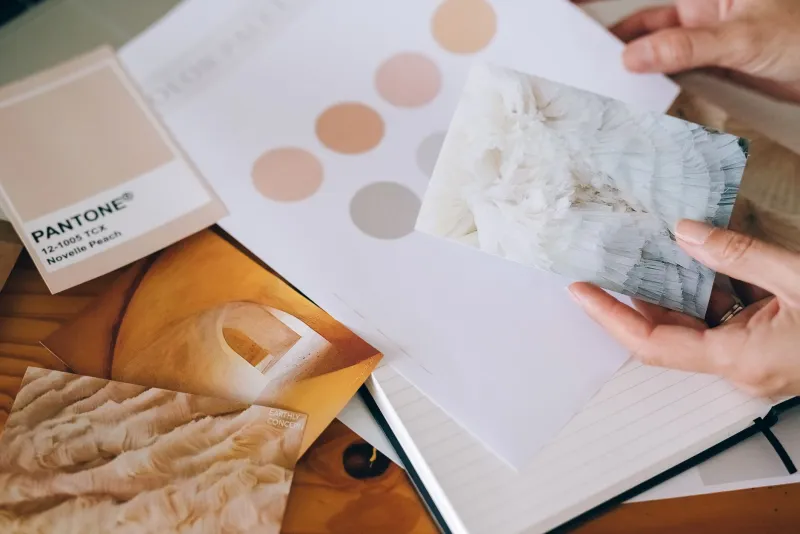
Your Life Is a Mood Board: How to Start Living With Creative Direction

Nobody Handed You a Brief — So Write Your Own
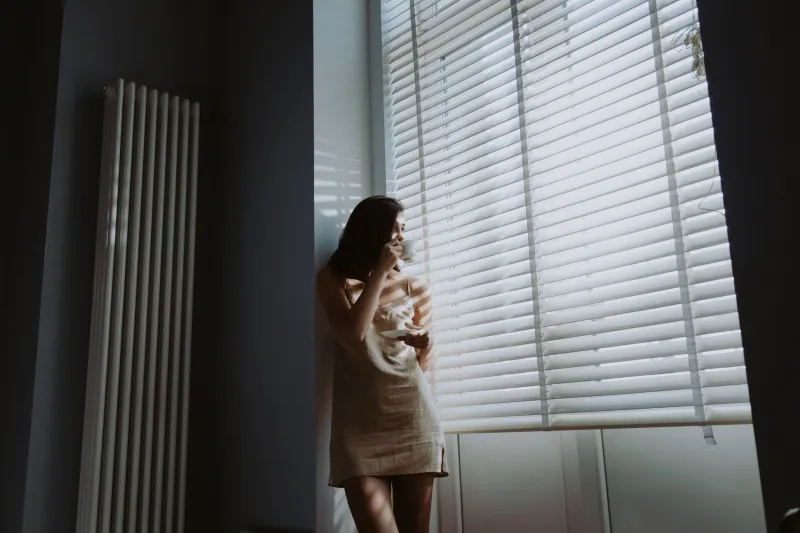
Here's a thought that hit me somewhere between my third mindless scroll of the morning and a cup of coffee I barely tasted: most of us are living reactively. We wake up, check our phones, respond to whatever the world throws at us, and call it a day. Repeat. But creative directors — the people whose literal job is to shape how something looks, feels, and lands — don't work that way. They start with intention. They ask: what is this supposed to communicate? What feeling are we going for?
Now flip that inward. What is your life supposed to communicate? What feeling are you going for?
That might sound like a lot for a Tuesday morning, but stay with me. You don't need to overhaul everything overnight. You just need to start treating your days less like a to-do list and more like a creative project — one that actually reflects who you are, not just who you've defaulted into being.
The Morning Routine Is Your Opening Scene
Every good creative project has a strong opening. It sets the tone, establishes the vibe, tells you what kind of experience you're in for. Your morning is exactly that — the opening scene of your day.
Most of us, though, let that scene write itself. Alarm goes off, phone goes on, anxiety arrives uninvited. The morning becomes noise before it becomes anything else.
A creative director would never let the opening of a campaign just happen. So don't let yours. Even fifteen intentional minutes before the chaos kicks in can shift the entire register of your day. Maybe that looks like a slow pour-over and a few pages of a book you actually want to read. Maybe it's a walk without headphones, or journaling, or just sitting somewhere you find beautiful and doing absolutely nothing.
The content of the routine matters less than the decision behind it. You're choosing how to open. That choice is the whole point.
Edit Your Social Calendar Like You'd Edit a Collection
Fashion editors don't put every single piece on the runway. They curate. They pull what's strong, what's cohesive, what serves the story — and they leave the rest on the rack.
Your social life deserves the same editorial eye. Americans especially have this cultural pressure to always be available, always saying yes, always filling the calendar. But a packed schedule isn't the same as a full life. There's a real difference between the two.
Start asking yourself: does this event, dinner, obligation, or hangout actually align with the version of life I'm trying to build? Is it energizing or is it just familiar? Are you going because you want to, or because saying no feels uncomfortable?
Editing your social calendar isn't about becoming a hermit. It's about making room for the things that genuinely light you up — the dinners where the conversation goes long and nobody checks their phone, the weekend trips that actually restore you, the friendships that feel like home. You can't fit those in if you've already said yes to everything else.
Your Aesthetic Attention Is a Resource — Spend It Wisely
Here's something creative professionals understand that most people don't: visual and sensory attention is finite. When you're constantly surrounded by clutter, noise, and environments that feel chaotic or uninspired, it drains something in you — even if you can't quite name what.
This is why the spaces you spend time in actually matter. Not in a bougie, everything-must-be-designer way. In a you-deserve-to-feel-good-in-your-own-life way.
Look around wherever you spend the most time. Your apartment, your desk, your car. Does it feel like you? Does it feel like someone you'd want to be? Small, low-cost shifts — a plant, better lighting, clearing a surface, hanging something that actually means something to you — can have a disproportionate effect on how you move through your days.
Creative directors obsess over the environment their work lives in. Start giving yours the same consideration.
Decision Fatigue Is Real — Build Systems That Protect Your Energy
One thing great creative directors are exceptional at is knowing which decisions deserve their full attention and which ones should be systematized so they don't eat up bandwidth. That's not laziness — it's strategy.
Think about where you're hemorrhaging mental energy on low-stakes choices. What to wear, what to eat, what to watch, what to do first. These micro-decisions add up and leave you depleted before you've gotten to anything that actually matters.
Building light systems — a loose weekly meal rhythm, a capsule wardrobe that genuinely works together, a Sunday reset ritual that preps you for the week — isn't about rigidity. It's about protecting the creative energy you have for the things worth spending it on. Your relationships. Your work. Your actual passions. The stuff that makes life feel like yours.
Stop Waiting for the 'Right' Season to Start
There's this very American habit of waiting for the perfect conditions before doing the thing. I'll get intentional about my mornings when work calms down. I'll redesign my space when I move. I'll start being more selective with my time when things settle.
Things don't settle. Life doesn't hand you a clean slate and say okay, now you can begin. Creative directors don't wait for the perfect brief before they start thinking. They work with what's in front of them and shape it toward something better.
You have today. You have this week. You have whatever season of life you're actually in — messy, transitional, uncertain, or otherwise. That's the canvas. And honestly? Constraints are where creativity gets interesting.
The Throughline: It's About Authorship
At the core of all of this is one idea: authorship. Living with creative direction means taking ownership of the choices — big and small — that make up your days. It means asking, regularly, whether your life is something you've designed or something you've just sort of ended up in.
Nobody gets it perfectly right. Even the most intentional people have days that feel scattered and weeks that feel like they happened to them rather than for them. That's not failure — that's being human.
But the practice of coming back to the question — is this how I want this to look? Is this the feeling I'm going for? — that's what separates a life that feels like yours from one that just feels like default.
Your days are worth designing. Start treating them that way.